
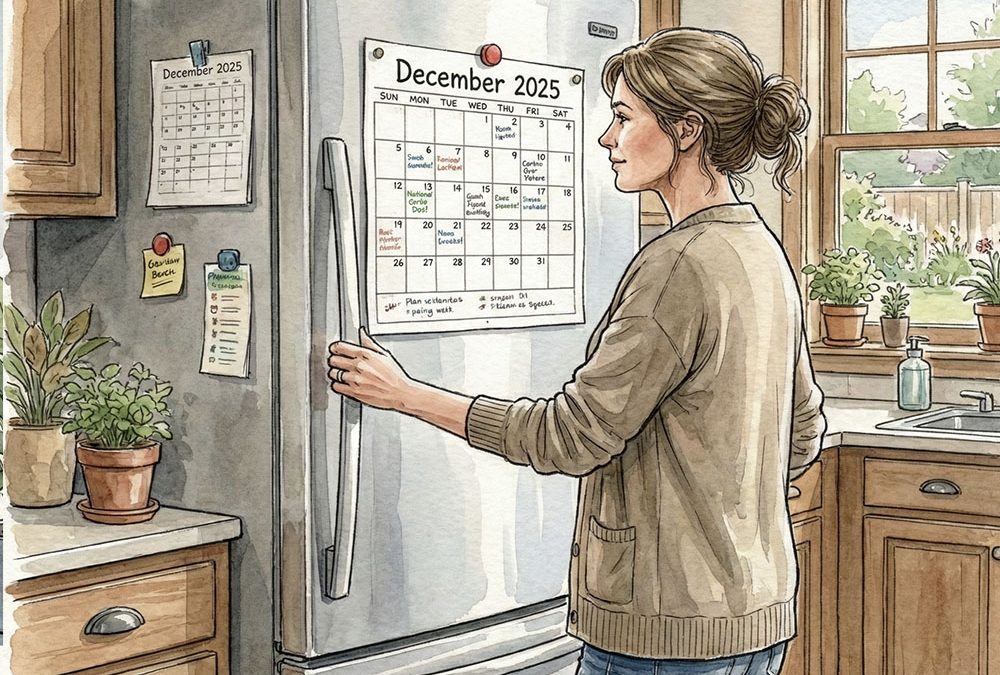
Life gets busy — and not in a cute, “I’m-so-productive” way, but in a “Why are there 127 tabs open in my brain?” kind of way. Between home responsibilities, appointments, self-care, relationships, errands, digital clutter, meal planning, family schedules, bills, and everything else… personal organization can feel overwhelming.
But here’s the truth: organizing your life doesn’t have to be complicated. You don’t need a color-coded, perfectly labeled system (unless that’s your joy!). You just need a few simple structures that keep everything flowing and prevent chaos from sneaking in.
This gentle guide gives you easy, doable steps to bring more clarity, calm, and order into your daily life. No perfection required — just progress.
Step 1: Start with a Brain Sweep (Not a Brain Dump)
A brain dump is writing everything down.
A brain sweep is writing everything down with intention.
The goal isn’t to dump your entire life onto paper — it’s to sweep out the clutter that’s stealing mental energy.
Set a timer for 5 minutes and write:
-
What’s stressing you
-
What you keep forgetting
-
Things you want to do
-
Things you need to handle
-
Recurring worries
-
Loose ends in your life
This gives you instant clarity: “Ohhhh, this is what’s weighing me down.”
Step 2: Choose One Personal Planning Tool to Anchor Your Life
This can be:
-
A paper planner
-
A digital planner
-
A combination of both
-
A simple weekly notepad
-
A notebook with custom sections
-
A notes app
-
A bullet journal
The tool doesn’t matter — the use does.
Whatever you choose should:
-
Be easy to grab
-
Feel natural to use
-
Help you see your week at a glance
-
Hold appointments, reminders, and priorities
If you keep switching tools, pick the one you return to the most. That’s your anchor.
Step 3: Use Simple Spreadsheets for Personal Organization (Yes, They Can Be Fun!)
People think spreadsheets are just for business — but they’re amazing for personal life too.
Here are a few spreadsheet ideas that make everything easier:
• Household Management Spreadsheet
Include:
-
Monthly bills
-
Due dates
-
Automatic payments
-
Family budgets
-
Savings goals
-
Upcoming large expenses
This prevents financial surprises and helps you stay in control.
• Meal Planning Spreadsheet
One tab for:
-
Weekly meal ideas
-
Ingredients you already have
-
Recipes you want to try
-
Grocery lists you can print or reuse
No more last-minute “What’s for dinner?” panic.
• Cleaning + Home Maintenance Tracker
Create simple lists for:
-
Weekly tasks
-
Monthly tasks
-
Seasonal chores
-
Annual home maintenance
It keeps things manageable and prevents the dreaded “deep clean weekend.”
• Personal Goals Tracker
Track:
-
Habits
-
Reading lists
-
Fitness progress
-
Mood
-
Sleep
-
Water intake
-
Projects
-
Self-care routines
Spreadsheets make progress so satisfying because you see your growth.
Step 4: Build a Weekly Reset Ritual
Every week, give yourself 10–15 minutes to reset your life.
In your planner or spreadsheet:
-
Review upcoming appointments
-
Add new tasks
-
Plan meals
-
Check bills or money goals
-
Prep for events
-
Reorganize any loose notes
-
Choose your top 3 priorities for the week
This simple ritual keeps everything running smoothly — it’s one of the most powerful personal organization habits you can build.
Step 5: Organize Your Physical Space in Small, Doable Steps
You don’t have to declutter your entire home. Just make your space work better for you.
Try:
-
A 5-minute tidy before bed
-
A basket for “items without a home”
-
A nightstand reset
-
A kitchen counter reset
-
Clearing your bag or purse weekly
-
Creating a command center for keys, mail, and essentials
Small wins create big emotional relief.
Step 6: Simplify Your Digital Life
Digital clutter is silent but stressful. Take 10 minutes to clean:
-
Phone notifications
-
Email inbox
-
Unused apps
-
Old screenshots
-
Browser tabs
-
Downloads folder
-
Desktop icons
Once a month, do a deeper digital clean.
Step 7: Use Daily Routines to Keep Your Life Flowing
Try these simple daily anchors:
-
Morning overview: check your planner
-
Midday reset: adjust tasks
-
Evening review: plan tomorrow
A 60-second check-in keeps you aligned.
Final Thoughts: Organization Isn’t About Control — It’s About Peace
You’re not trying to create a perfect system.
You’re building support for your life — a framework that helps you breathe easier, think clearer, and feel more grounded.
Start small.
Stay flexible.
Let progress, not perfection, guide your steps.
You deserve a life that feels organized, balanced, and beautifully manageable — and it starts with simple habits that fit who you are.